LLP Registration in India for Start-ups, Professionals and Growing Businesses
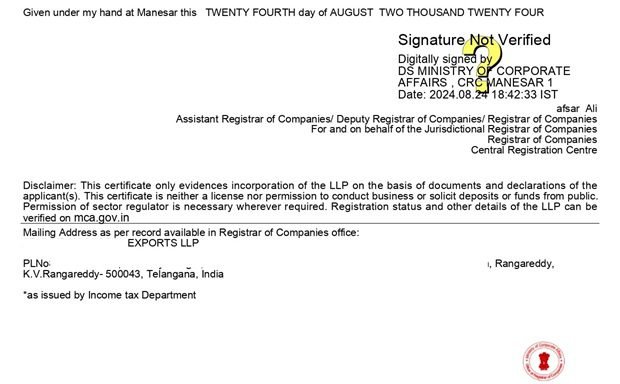
A Limited Liability Partnership offers a flexible business model for entrepreneurs, consultants, service providers and professional firms that want the flexibility of partnership-style management alongside limited liability protection. registering an LLP in India is often considered by business owners who prefer a structure with fewer internal formalities than a traditional company while still forming an independent legal entity. The structure can be suitable for smaller enterprises, service agencies and professional firms where two or more partners intend to manage the business together. Selecting the appropriate structure from the outset is important because it influences ownership, tax treatment, compliance obligations and future growth. Knowing the process, documentation requirements and ongoing obligations can help founders make a better-informed decision.
What Is an LLP and How Does It Work?
An LLP brings together partnership features and the legal protection associated with incorporated entities. It has its own legal identity, while partners generally have liability limited to the amount they have agreed to contribute, subject to relevant law and individual actions. This can make LLP registration suitable for founders looking for management flexibility without placing personal assets at risk for every business obligation. The LLP can enter agreements, own property, maintain accounts and continue even when partners change. Partners typically define management rights, profit sharing, capital contributions and decision-making rules through an LLP agreement.
Why Businesses Choose LLP Registration in India
Many business owners choose LLP registration in India because the model may offer a useful balance of operational flexibility and legal recognition. When compared with a traditional partnership, an LLP provides an independent legal identity and limited liability, which may provide greater confidence when working with customers, vendors and lenders. It may also suit businesses where partners wish to remain directly involved in everyday management. The structure is commonly considered by consultancy firms, technology businesses, designers, accountants, architects and advisory firms. Suitability still depends on funding plans, tax position and expected scale, so the choice should be considered with care.
Basic Requirements for LLP Company Registration in India
For registering an LLP company in India, there are generally required to be at least two partners, with designated partners taking responsibility for statutory compliance. At least one designated partner is ordinarily expected to meet the applicable residency requirement under current rules. Both individuals and qualifying entities may participate as partners, depending on legal conditions. Proposed partners should also determine their contributions, profit-sharing arrangements and responsibilities before starting registration. These decisions help determine the terms of the LLP agreement and can help prevent disagreements over authority, withdrawals, new partners and major business decisions.
Documents Commonly Required for LLP Registration
The documentation for llp registration usually includes identity and address proof for proposed designated partners, together with evidence relating to the registered office. Exact requirements can vary according to the applicant's status and current filing rules. Office proof may include ownership records, a rental arrangement or permission from the property owner, together with recent utility-related evidence where applicable. Digital signatures are generally required as well because filings are submitted electronically. Accurate names, addresses and identification details are important, as inconsistencies may result in queries or filing delays.
Step-by-Step LLP Registration Process
The process typically begins by securing the required digital signatures and completing identification formalities. The proposed LLP name is then verified and filed for approval, in accordance with applicable naming rules and availability. Once accepted, incorporation documents are prepared using partner information, registered office details, business activities and contribution information. After approval, the LLP receives its formal registration information. The partners must then complete the LLP agreement and file the required information within the prescribed period. Late filings can lead to extra charges or compliance llp registration india difficulties.
Why the LLP Agreement Is Important
The LLP agreement is among the most important documents following LLP registration in India because it defines how the partnership will operate. It may cover contribution amounts, profit distribution, responsibilities, voting rights, entry and retirement of partners, dispute management and procedures for significant decisions. A well-prepared agreement can minimise future confusion by setting out expectations clearly from the outset. Generic templates may not address every commercial relationship, so the terms need to reflect how the partners actually intend to work together. The agreement should also be reconsidered when significant changes take place.
Post-Registration Compliance Responsibilities
Registration marks only the start of an LLP's legal obligations. Once incorporated, the entity must maintain proper financial records and complete required annual filings within applicable deadlines. Further requirements may include tax returns, statements of accounts and other statutory submissions depending on prevailing law and the LLP's financial position. Partners should maintain a clear distinction between personal and business transactions, retain relevant supporting documents and revise official information when key particulars change. A simple compliance calendar can help the partners stay organised and avoid unnecessary additional costs.
How Professional LLP Registration Services in India Can Help
Using experienced llp registration services in India can make document preparation easier and minimise preventable incorporation errors. Professional support may include checking eligibility, assisting with name selection, preparing incorporation forms, organising partner documents, drafting the LLP agreement and explaining post-registration duties. This can be useful for first-time founders who are unfamiliar with statutory terminology or filing procedures. Effective assistance should go beyond form completion and help partners understand continuing responsibilities, likely charges and future compliance requirements.
LLP Registration Costs and Processing Time
The overall cost of llp registration can depend on government charges, stamp duty, digital signing requirements, professional assistance and the contribution stated by the partners. Costs associated with stamp duty may vary based on the relevant jurisdiction and the value of the agreement. Processing time can also differ based on document accuracy, name approval, authority workload and whether clarification is requested. Founders can help prevent unnecessary delays by ensuring documents are consistent and partner details are finalised in advance. It is also sensible to budget for post-registration compliance rather than considering only the initial incorporation expense.
Choosing Between an LLP and Other Business Structures
An LLP is not automatically the best choice for every venture. A sole proprietorship may suit a very small owner-managed activity, while a private limited structure may be more appropriate for businesses planning significant external investment or equity-based expansion. registering an LLP company in India can work well when founders prefer flexible internal management, limited liability protection and partnership ownership. Reviewing future compliance, taxation, financing needs and governance requirements can help business owners select a structure aligned with their plans.
Conclusion and Key Considerations
Choosing LLP registration in India can provide entrepreneurs and professionals with a recognised business structure that combines operational flexibility with limited liability protection. The process typically requires eligible partners, accurate documentation, name approval, incorporation filings and a properly prepared LLP agreement. After registration, ongoing accounting and statutory compliance remain important for maintaining the LLP in good standing. Businesses considering LLP registration in India should look beyond the initial filing process and consider management rights, future partner changes, taxation, funding plans and ongoing responsibilities. With careful planning and dependable llp registration services in India, founders can establish a clear legal foundation for sustainable business operations.
Comments on “What Might Be Next In The LLP registration in india”